
Why Domains Matter
Advanced nuclear is moving beyond the traditional boundaries that once defined it. Systems are becoming distributed, mobile, and increasingly integrated across land, maritime, and space environments. Fuel, data, personnel, and control pathways now extend across a wider set of physical and operational contexts, each with its own constraints, dependencies, and failure modes.
As these deployments expand, the assumptions that underpin security and resilience begin to shift. Measures that are effective at a fixed site may degrade in transit. Response timelines compress or stretch depending on location. Access, visibility, and authority become more fragmented. What appears robust within a single domain can become fragile when systems are connected across them.
The most significant risks are rarely confined to one environment. They emerge at the seams: where systems transition, where responsibilities overlap, and where coordination is required but not yet designed. Mapping these domains is not an academic exercise. It is a prerequisite for making decisions early, while options remain open and before constraints harden into cost, delay, or exposure.
Operating Across
Critical Domains
ARXx works across the environments where advanced nuclear systems are deployed, moved, and sustained, each with distinct constraints that shape security, resilience, and response.
From Overview to
Operating Reality
Each domain introduces its own constraints, but the real complexity emerges in how systems behave within them. The sections below examine how risk, security, and response take shape in practice across land, maritime, and space environments.
Land Domain

Land-based deployments anchor the advanced nuclear ecosystem, but their risk profile is shaped as much by what surrounds them as by what sits inside the fence line. Reactor sites, storage facilities, and fuel-cycle infrastructure are connected through transport networks, digital control systems, and regional emergency planning frameworks that extend well beyond a single location.
As systems become more distributed and operational models evolve, traditional assumptions about perimeter security, staffing, and response begin to shift. Interfaces with public infrastructure, reliance on external logistics, and dependencies on coordinated response introduce additional layers of complexity. What appears secure at the site level may degrade when viewed across the broader system in which it operates.
-
Site design and perimeter assumptions under evolving threat and operational conditions
-
Fuel-cycle and transport interfaces across road, rail, and regional infrastructure
-
Coordination with local, state, and federal response frameworks
Maritime Domain
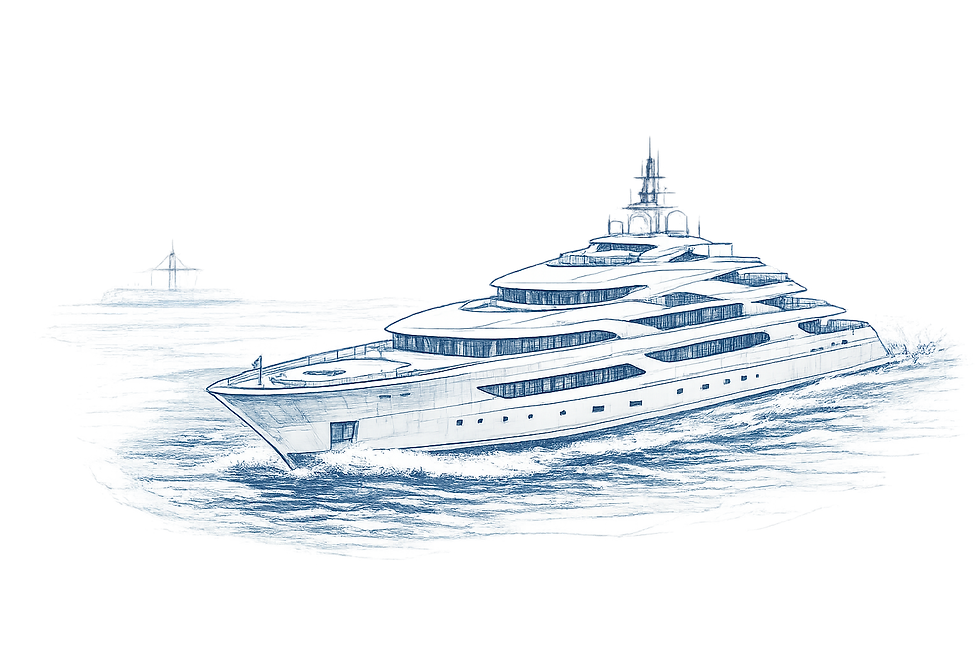
Maritime deployments change the geometry of nuclear operations. Whether operating at port, in transit, or offshore, systems must contend with movement, jurisdictional overlap, and constrained access to support and response capabilities. The operating environment is inherently dynamic, and assumptions that hold on land may not translate at sea.
Security, monitoring, and response must be designed with limited access, variable timelines, and reliance on distributed coordination. Port infrastructure, host-nation considerations, and transit routes all introduce
points of exposure that require deliberate planning. Once underway, options narrow, and the ability to intervene becomes more dependent on what has been built into the system from the outset.
-
Port and harbor interface risks and layered security considerations
-
Transit and logistics across international or contested environments
-
Offshore response limitations and access constraints
Space Domain

Space-based nuclear systems operate in conditions where direct intervention is limited and consequences may extend across multiple domains. From launch through operation and potential re-entry, systems must be designed to remain resilient without the assumption of physical access or rapid correction.
The challenge is not only technical, but systemic. Monitoring, command authority, and failure response must be coordinated across ground and space-based assets. Decisions made early in system design (around redundancy, control pathways, and contingency planning) determine whether anomalies can be managed or escalate into broader consequences.
-
Mission assurance and system resilience in inaccessible environments
-
Launch, transit, and failure contingency planning
-
Cross-domain consequences affecting ground-based systems and infrastructure
The seams are where
Risk Accumulates
The most consequential risks in advanced nuclear systems rarely originate within a single domain. They emerge at the interfaces: where systems transition, where responsibilities overlap, and where coordination is required but not yet fully designed.
Movement between land and maritime environments introduces exposure during transport and transfer. Space-based systems depend on ground infrastructure for monitoring and control. Digital architectures connect geographically dispersed assets, creating dependencies that can amplify disruptions across otherwise independent systems.
These seams are often under-modeled and under-exercised. They fall between organizational boundaries, regulatory frameworks, and operational assumptions. As a result, they are where small misalignments can compound into larger failures.
ARXx focuses on identifying and strengthening these interfaces, ensuring that transitions between domains are not points of fragility, but areas of deliberate design.
How ARXx Works
Across Domains
Operating across multiple domains requires more than domain-specific expertise. It requires a structured approach to identifying where assumptions break down, where risks accumulate, and where intervention is still possible.
ARXx applies a consistent framework across land, maritime, and space environments, ensuring that risks are identified early, understood in context, and addressed before they become embedded in system design or operations.
Analyze
Identify vulnerabilities, dependencies, and assumptions across systems and interfaces. ARXx evaluates how risks manifest within and between domains, with a focus on where exposure is highest and least visible.
Model
Simulate system behavior under stress. ARXx uses scenario-based analysis and consequence modeling to understand how disruptions propagate across domains, and to quantify where resilience breaks down.
Mitigate
Translate insight into action. ARXx supports the design of security measures, operational plans, and response frameworks that reduce exposure and improve system performance over time.